
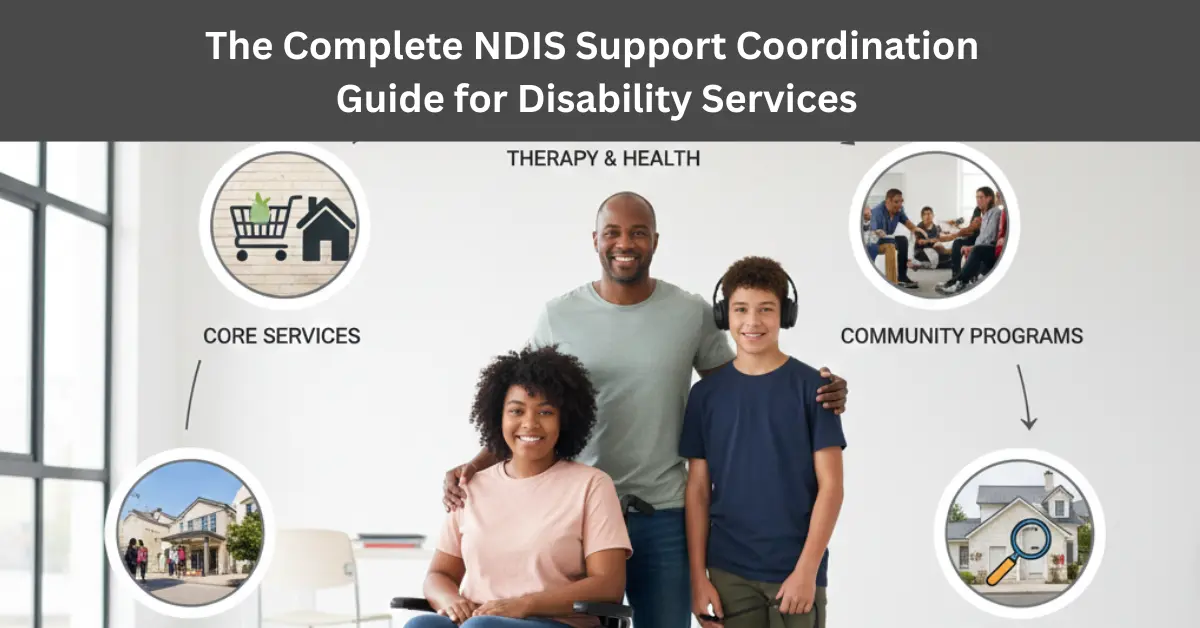
Navigating the National Disability Insurance Scheme (NDIS) can feel like stepping into a system built in another language. There are plans, providers, funding categories, core services, housing options, and long-term goals, all moving at the same time. That’s where Support Coordination steps in. It exists to turn confusion into clarity and help NDIS participants move forward with confidence instead of stress.
At its core, NDIS Support Coordination is about helping people with disability understand their plans and connect with the right NDIS services that match their personal needs, goals, and lifestyle. A disability support coordinator works alongside the participant, their family, and service providers to make sure supports are not just approved on paper, but actually working in real life.
What Is Support Coordination in the NDIS?
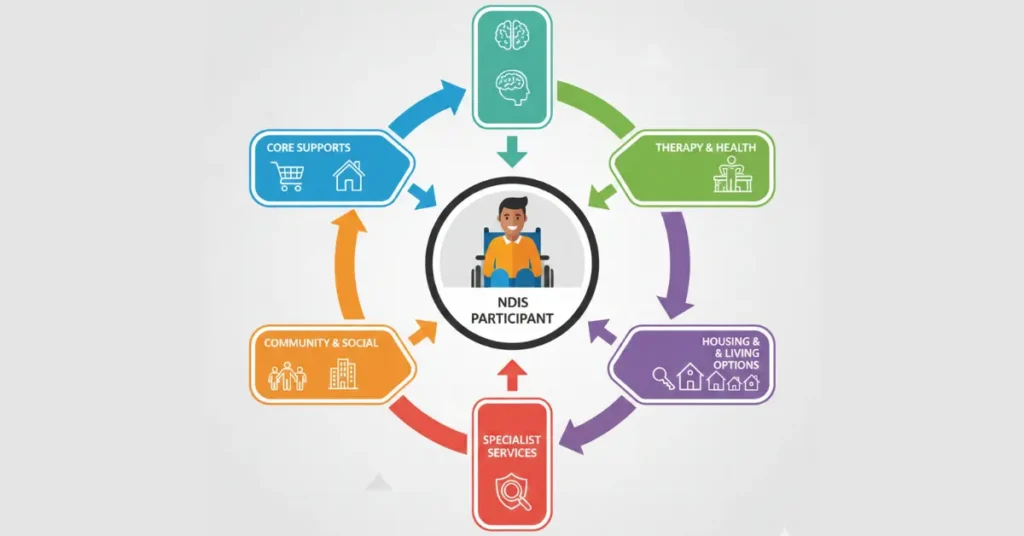
Support Coordination is a funded NDIS service designed to help participants build the skills, knowledge, and confidence to manage their own supports. It helps break down the structure of an NDIS plan, explain how funding can be used, and guide participants toward services that align with their personal and long-term goals, including NDIS plan management.
This includes connecting people to core services, community programs, therapy providers, housing supports, and specialist services. It also involves helping participants understand service agreements, resolve issues with providers, and prepare for future plan reviews.
Understanding Support Coordination Levels
There are two main levels of support coordination funded under the NDIS:
Support Coordination Level 2 (SC Level 2)
This level focuses on building a participant’s ability to manage their plan independently. It helps with linking to providers, setting up services, and ensuring supports work together smoothly. It’s ideal for people who need ongoing guidance but do not face highly complex or high-risk situations.
Specialist Support Coordination (SC Level 3 / SSC)
This level is designed for participants with complex needs, including mental health challenges, unstable housing, or involvement with multiple systems such as health, justice, or child protection. Specialist support coordination takes a deeper, more strategic approach to planning, crisis management, and long-term stability, Learn more about specialist support coordination.
How Support Coordination Connects to Housing and SDA

For participants who need specialist housing, support coordinators often help explore NDIS housing, including Specialist Disability Accommodation (SDA). SDA is designed for people with high support needs who require specially built or modified homes. Coordinators help participants understand eligibility, link with SDA providers, and ensure housing works alongside daily disability supports.
Who Can Benefit from NDIS Support Coordination?
NDIS Support Coordination is designed for participants who want greater clarity, confidence, and control over their supports. Learn more about support coordination services, It can benefit people at many stages of their NDIS journey, including those who are new to the scheme, transitioning between life stages, or managing changes in their health, housing, or personal circumstances.
Participants who may benefit most include:
- People receiving their first NDIS plan and needing help understanding funding and services
- Participants managing multiple providers or therapy supports
- Individuals exploring NDIS housing or SDA options
- People experiencing life changes such as moving, changing care arrangements, or entering new community programs
- Families and carers who need guidance navigating services on behalf of a participant
What Does a Disability Support Coordinator Actually Do?

A disability support coordinator plays a practical and strategic role in helping participants turn their NDIS plan into real-world support. Their responsibilities often include reviewing the participant’s goals, identifying service gaps, and building strong connections with trusted NDIS providers and social work services to ensure comprehensive support.
They may help compare service options, negotiate service agreements, monitor how supports are delivered, and step in when challenges arise. Support coordinators also assist participants in preparing for plan reviews by gathering evidence, tracking progress, and identifying changes in needs that should be reflected in future funding.
How Support Coordination Helps with NDIS Plan Reviews
NDIS plans are reviewed regularly to ensure they continue to reflect a participant’s needs and goals. Support coordinators help participants prepare for these reviews by documenting progress, identifying gaps in current supports, and gathering evidence from service providers and allied health professionals.
This process helps ensure that future plans include appropriate funding for services such as therapy, community participation, and in some cases, Specialist Support Coordination or SDA housing when circumstances become more complex.
Finding the Right Support Coordinator
Choosing the right support coordinator is an important step in building a strong and reliable NDIS support network. Participants and families are encouraged to look for coordinators who understand their local services, communicate clearly, and take a participant-focused approach to planning and problem-solving.
A good support coordinator doesn’t just connect services, they help build confidence, independence, and long-term stability.
Why Support Coordination Matters
The NDIS is not just about funding, it’s about independence, dignity, and real choice. A strong support coordinator acts like a navigator, helping participants move through services, systems, and decisions with confidence. Instead of feeling stuck or overwhelmed, participants gain structure, direction, and a clearer path toward their personal and community goals.
By building strong connections between NDIS services, core supports, housing options, and personal goals, participants are better positioned to grow in independence, stability, and confidence. Explore all our NDIS services to learn more.
Conclusion
Support Coordination is more than a service, it’s a bridge between an NDIS plan and a real, supported life. Whether someone needs guidance through everyday services or specialist help in complex situations, the right support coordinator can transform uncertainty into progress. By building strong connections between NDIS services, core supports, housing options, and personal goals, participants are better positioned to grow in independence, stability, and confidence. With the right navigation, the NDIS becomes not just a system to manage, but a pathway to move forward with purpose.
Frequently Asked Questions
1. What is the difference between Support Coordination and Specialist Support Coordination?
Support Coordination Level 2 focuses on helping participants connect with services, understand their plan, and build the skills to manage their supports independently. Specialist Support Coordination (Level 3) is designed for people with complex or high-risk needs, such as mental health challenges, unstable housing, or involvement with multiple systems, and provides more intensive, strategic support.
2. Can Support Coordination help with NDIS housing and SDA?
Yes. A disability support coordinator can help participants explore NDIS housing options, including Specialist Disability Accommodation (SDA). They assist with understanding eligibility, connecting with housing providers, and ensuring that housing supports align with daily care and long-term goals.
3. Is Support Coordination funded in every NDIS plan?
Support Coordination is not automatically included in all NDIS plans. It is funded based on individual needs, goals, and circumstances. Participants who have complex situations or need extra help managing their supports are more likely to receive funding for either Level 2 or Specialist Support Coordination.
One Comment