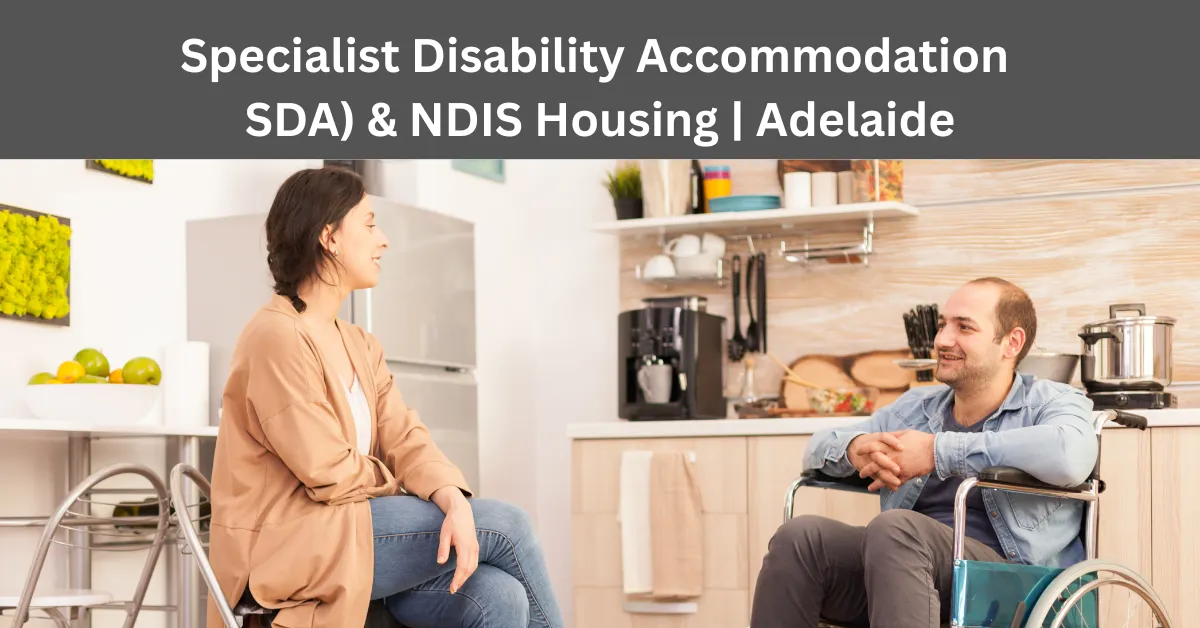
Navigating NDIS housing and Specialist Disability Accommodation (SDA) can be a complex journey, especially for participants with high support needs. From finding accessible homes to coordinating therapies, daily supports, and social participation, housing is more than just a roof, it’s a foundation for independence, safety, and long-term wellbeing. That’s where NDIS support coordination, specialist support coordinators (SSC), and complementary services like social work come in to ensure participants get the housing and supports they need.
What is Specialist Disability Accommodation (SDA)?

Specialist Disability Accommodation (SDA) is housing designed for people with very high support needs who require modified or purpose-built homes. These homes are funded through the NDIS and are tailored to enhance accessibility, safety, and independence. SDA is not just about walls and rooms, it’s about creating a supportive environment where participants can thrive while receiving the care they need.
NDIS housing options include:
- High physical support homes: For participants needing accessible features like ramps, wide doorways, and adaptive bathrooms.
- Fully accessible homes: Designed for mobility equipment use and individualised daily support needs.
- Specialist group homes: Offering shared living with trained support staff for participants with complex medical or behavioral needs.
Participants often work with specialist support coordinators (SSC) to identify the right SDA, manage providers, and coordinate services like therapy, social work, and personal supports. You can learn more about SSC in our SSC Level 3 Guide.
How NDIS Housing Works
NDIS housing isn’t limited to SDA. Participants may also access:
- Supported Independent Living (SIL)
- Other community housing options
- Plan-managed housing supports
Support coordinators in Adelaide ensure these housing options align with a participant’s NDIS plan, personal goals, and daily routines. Coordinating housing with therapies, social work, and other supports reduces stress and improves quality of life. For guidance on integrating services, see our Social Work & Therapy Services article.
How SDA & Housing Link with Support Coordination
SDA and NDIS housing are best navigated with expert coordination. Support coordinators and SSCs help participants:
- Understand eligibility and funding under the NDIS
- Connect with SDA providers and negotiate housing agreements
- Align housing with therapy, social work, and community participation supports
- Prepare for future plan reviews to maintain continuity of housing and supports
For a broader guide on Support Coordination, participants can refer to The Complete NDIS Support Coordination Guide.
Benefits of SDA & Coordinated NDIS Housing

- Safety and independence: Homes are designed to meet physical, emotional, and practical support needs.
- Consistency of support: Coordinated housing ensures therapy, social work, and care supports are integrated.
- Reduced stress for participants and families: With housing, supports, and services linked, participants feel more secure.
- Long-term stability: Properly coordinated SDA promotes better planning for future transitions, therapy, and community engagement.
Participants who use SDA often have complex needs that require integration with support coordination in Adelaide and plan management services. Our team ensures housing fits seamlessly into participants’ broader NDIS plans. Learn more about our full range of services.
How to Access SDA & NDIS Housing
Participants can access SDA and NDIS housing through their funded plans, with the guidance of:
- Support coordinators in Adelaide
- Specialist support coordinators (SSC)
- Social work and therapy services
- Plan management services
Starting with an NDIS plan review is essential to determine funding and eligibility for SDA. Coordinated planning ensures that housing supports are aligned with daily routines, therapy, and personal goals. For details on NDIS plan management, see NDIS Plan Management in Adelaide.
Conclusion
Specialist Disability Accommodation (SDA) and NDIS housing are more than just a place to live, they are the cornerstone of independence, safety, and long-term growth for participants with high support needs. With the right support coordination, specialist support, and integration with social work and therapy services, participants in Adelaide can access safe, tailored, and effective housing solutions that align with their NDIS plan and personal goals.
Frequently Asked Questions
1. What is the difference between SDA and regular NDIS housing?
SDA is purpose-built for participants with high support needs, offering features like accessibility modifications and on-site support. Regular NDIS housing may not have these specialized features.
2. How do I know if I’m eligible for SDA?
Eligibility is determined by your NDIS plan and assessed support needs. A specialist support coordinator can guide you through funding and provider options.
3. Can SDA be combined with other supports?
Yes. SDA works best when coordinated with therapies, social work, community participation, and plan-managed services, ensuring holistic care.